



Helping Families with Huntington's Disease
HD Reach is working to improve the care and quality of life for those affected by Huntington’s disease. Founded as a nonprofit in 2009, we provide connections to medical providers, referrals to local services, care management, family support, education, and anonymous genetic testing.
We’re here for you. Call or Email: 919.803.8128 or info@hdreach.org
If you’d like us to know how to help you better, let's be friends. HD Reach is a private nonprofit organization. All information collected is held in strict confidence. All HD Reach services are provided through community based funding, donations, or private pay.
-

Check our calendar for upcoming events: Both in-person and virtual. You can register here!
-
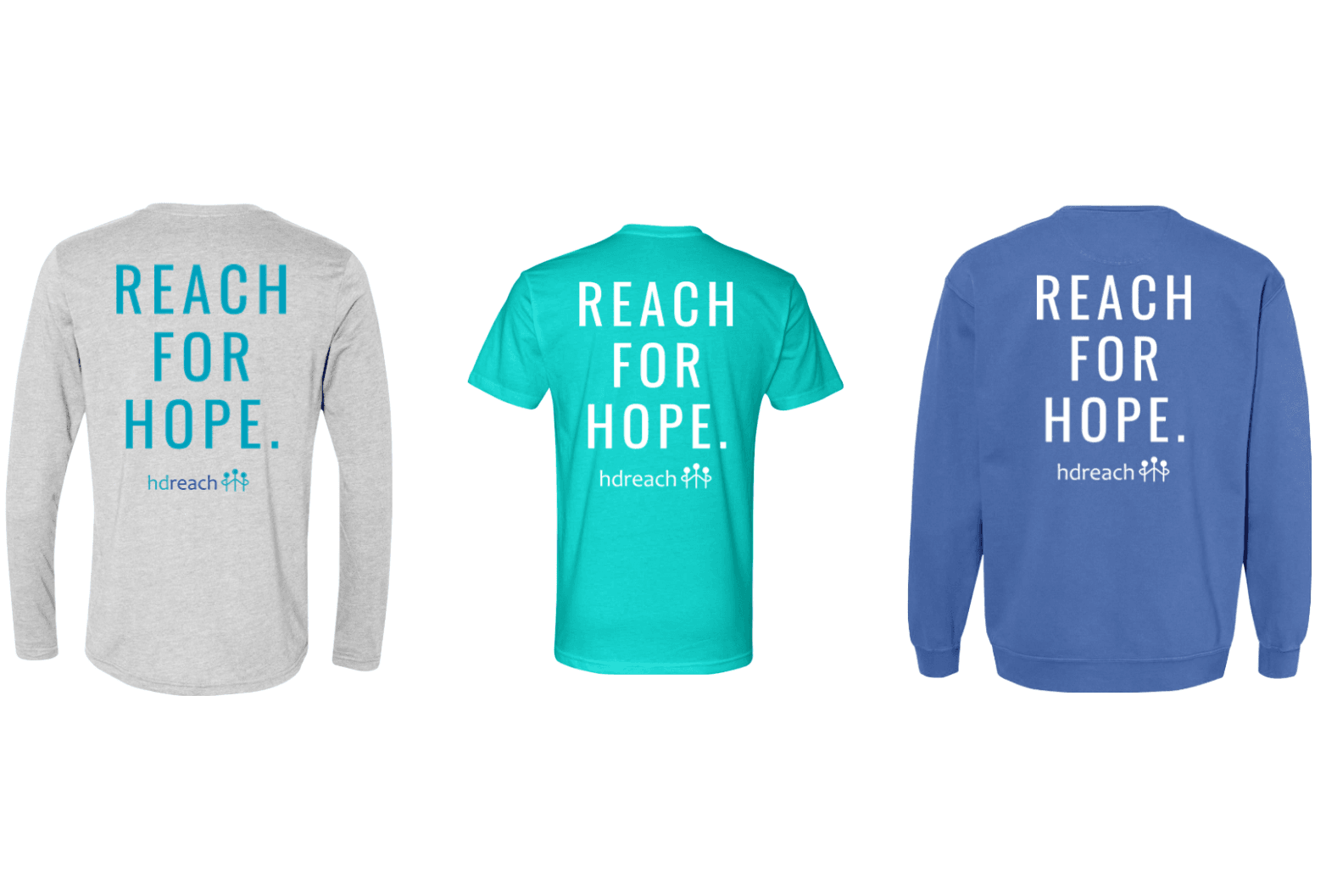
Check out our store for all kinds of HD gear. It's one of the easiest ways to become an advocate!

-
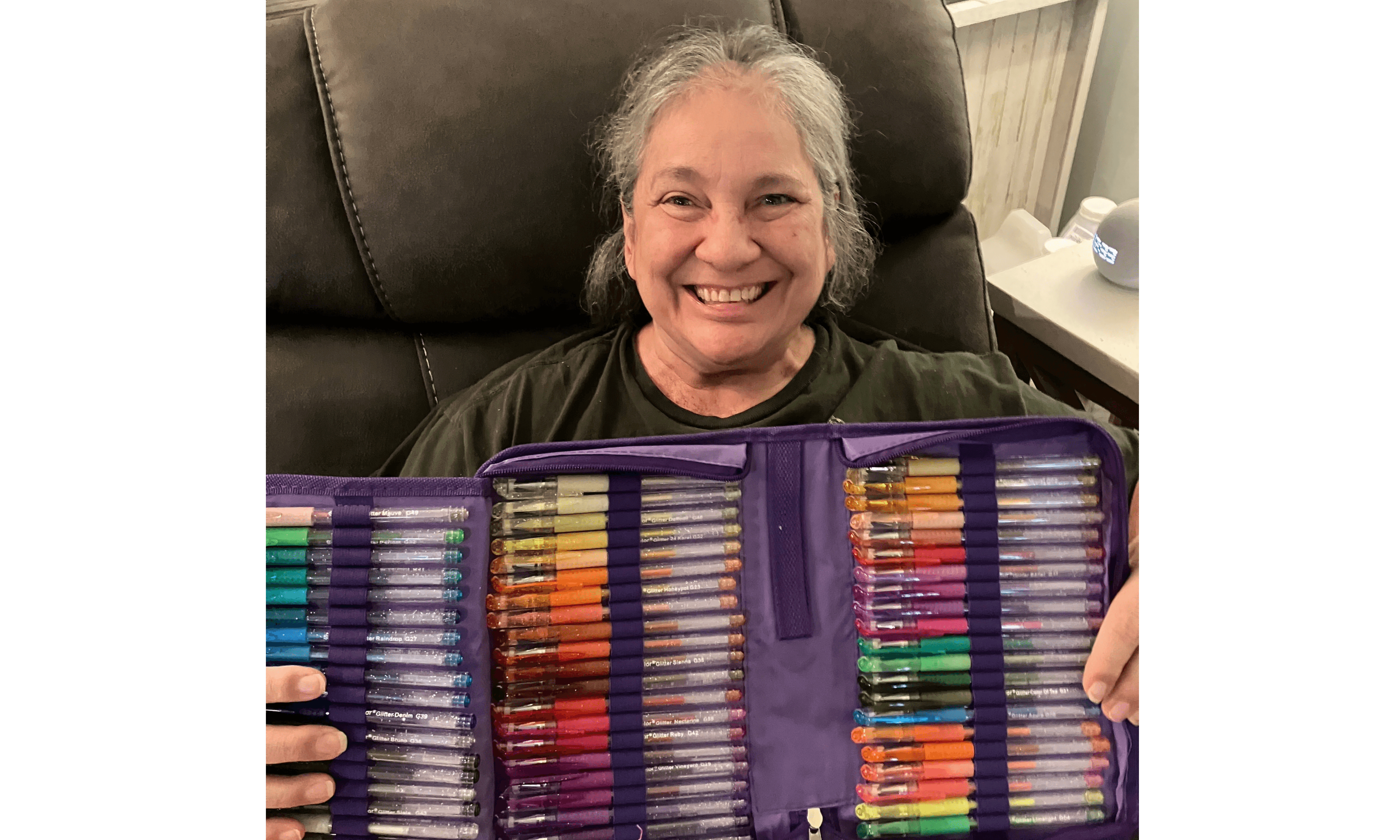
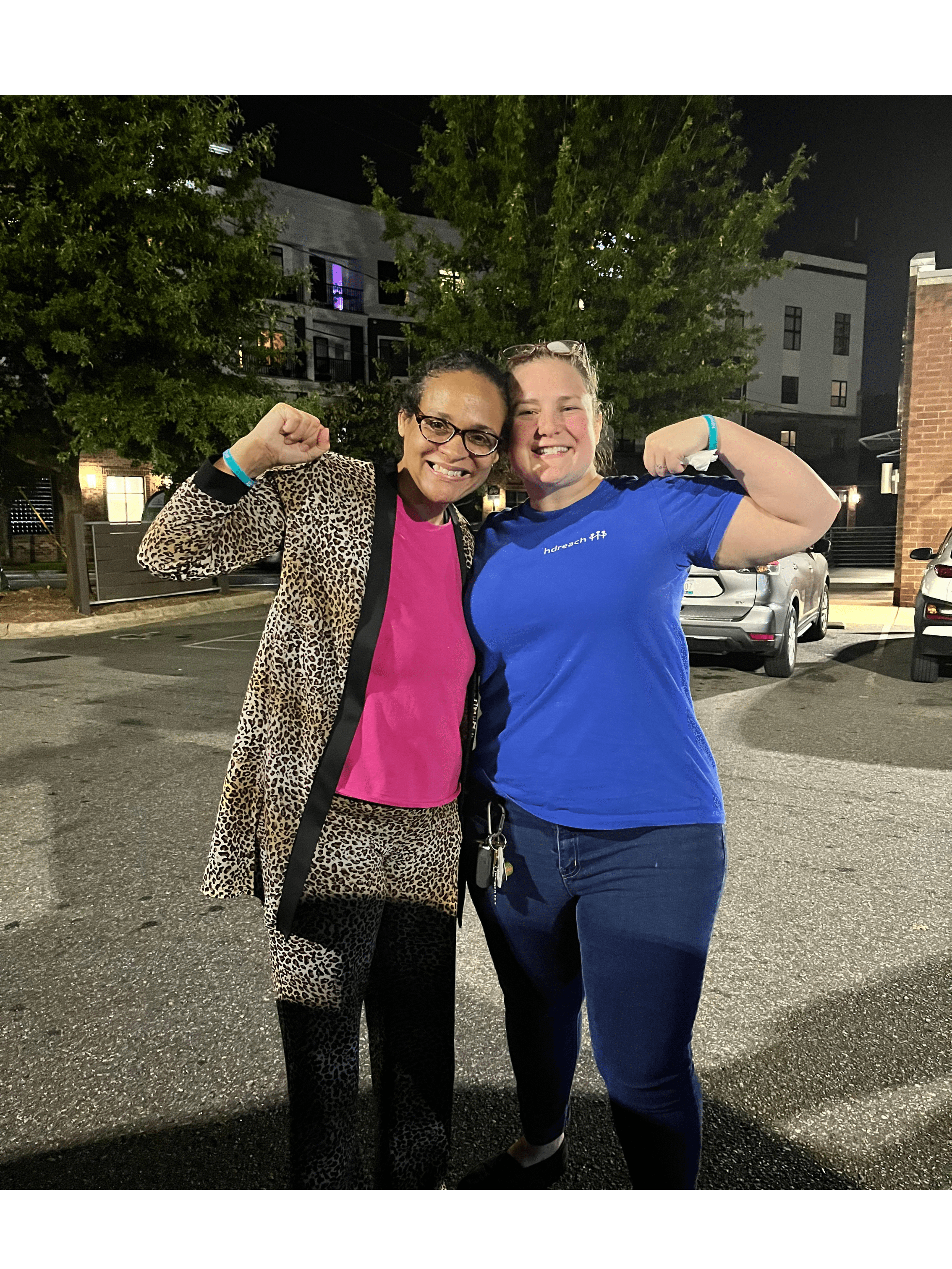 Sonya * Living With HD
My name is Sonya Bailey, I am 54 years old and was diagnosed at 49 with Huntington's disease. I first learned about Huntington's when my father was diagnosed with it during the 90s. Huntington's at first was a difficult pill to swallow, but now I am grateful because it's allowed me to be closer to my grandkids and to be part of the awesome community at HDREACH – the sense of community, resources, and friendship they give our family makes me not feel alone in my journey. I always look forward to our monthly gatherings to hang out with everyone.

-
People served through our family system model of care.
15,000
-
People affected by HD in the US including 1,400 in NC.
41,000
-
Americans at-risk for HD, including 8,000 in NC.
200,000
Latest HD News & Research Updates
Latest Huntington's Disease News

Huntington's Disease News, a Bionews site, provides clear, reliable news, research updates, and real-world perspectives to help people living with Huntington's disease and their caregivers feel more informed, confident, and supported throughout their care journey. Information is not meant to replace or provide medical advice.

My wife, Jill, who is gene-positive with Huntington’s disease (HD), told me recently that she has to “pump herself up” to do almost anything now. It’s not just the big things, like medical appointments or social events, but also the simple, ordinary tasks that most people move through without thinking, such as taking a shower, […]
The post The invisible mountain my wife climbs to complete everyday tasks appeared first on Huntington's Disease News.

Airports can bring out some of my most challenging Huntington’s disease symptoms. The noise, crowds, bright lights, rushing travelers, long security lines, changing gates, overhead announcements, and uncertainty can quickly become overwhelming. What looks like an ordinary travel day to someone else can feel like my nervous system is being pulled in every direction at […]
The post Huntington’s and sensory overload: How I manage overstimulation appeared first on Huntington's Disease News.

Before the end of the year, Arexera Therapeutics is planning to launch a Phase 1 clinical trial testing its experimental therapy ATL-101 in people with Huntington’s disease. According to a company press release, the upcoming trial is expected to test one-time treatment with ATL-101 at various doses, with the goal of evaluating the therapy’s safety […]
The post Early trial of experimental Huntington’s treatment expected by year’s end appeared first on Huntington's Disease News.
Thank you to our generous sponsors:
-
 Griffin Foundation
 -